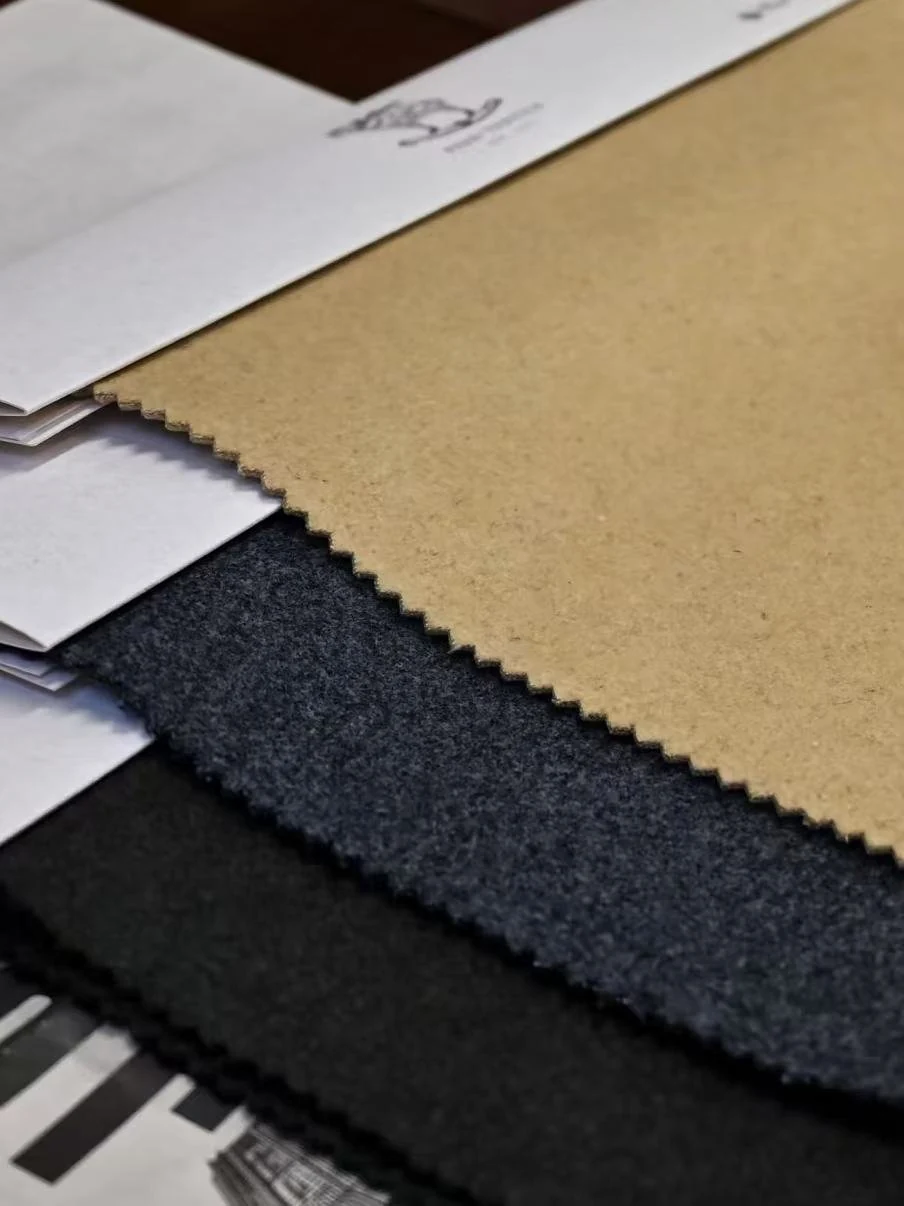
 Melton
Selection method
Choose what to compare before choosing what to buy.
A useful first shortlist is two or three distinct directions, linked to one garment brief.
1. Start with one garment
State the cut, season, intended use and construction. Compare coat, jacket or trouser sample questions.
2. Separate appearance from specification
The photographs can help you distinguish a compact-looking Melton, a check tweed and a blue herringbone flannel. They cannot establish composition, GSM, usable width, softness or durability.
Melton
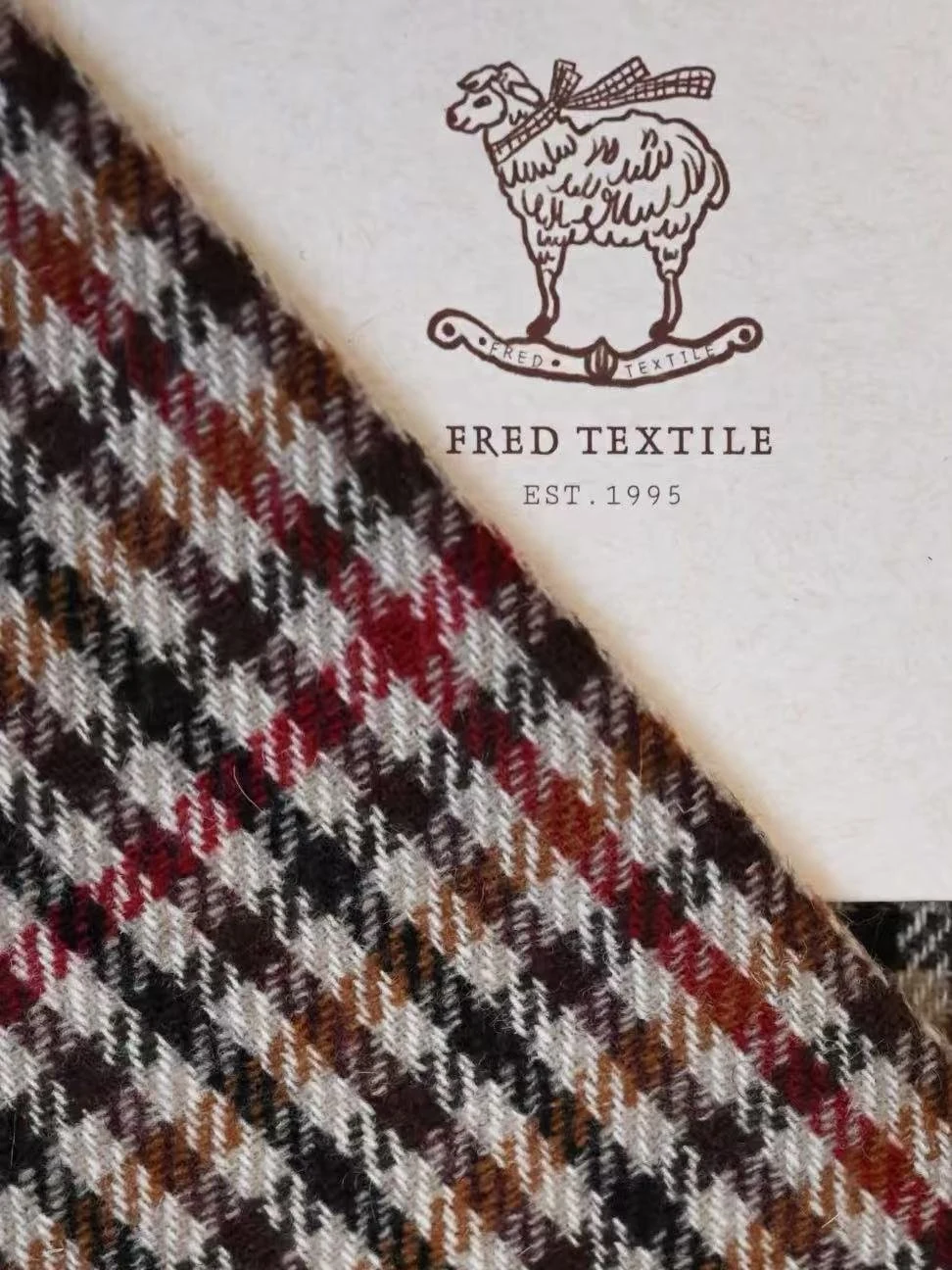 Tweed
Tweed
Fabric direction
Classic Check Tweed
A visible check and mixed colour texture for a patterned garment direction.
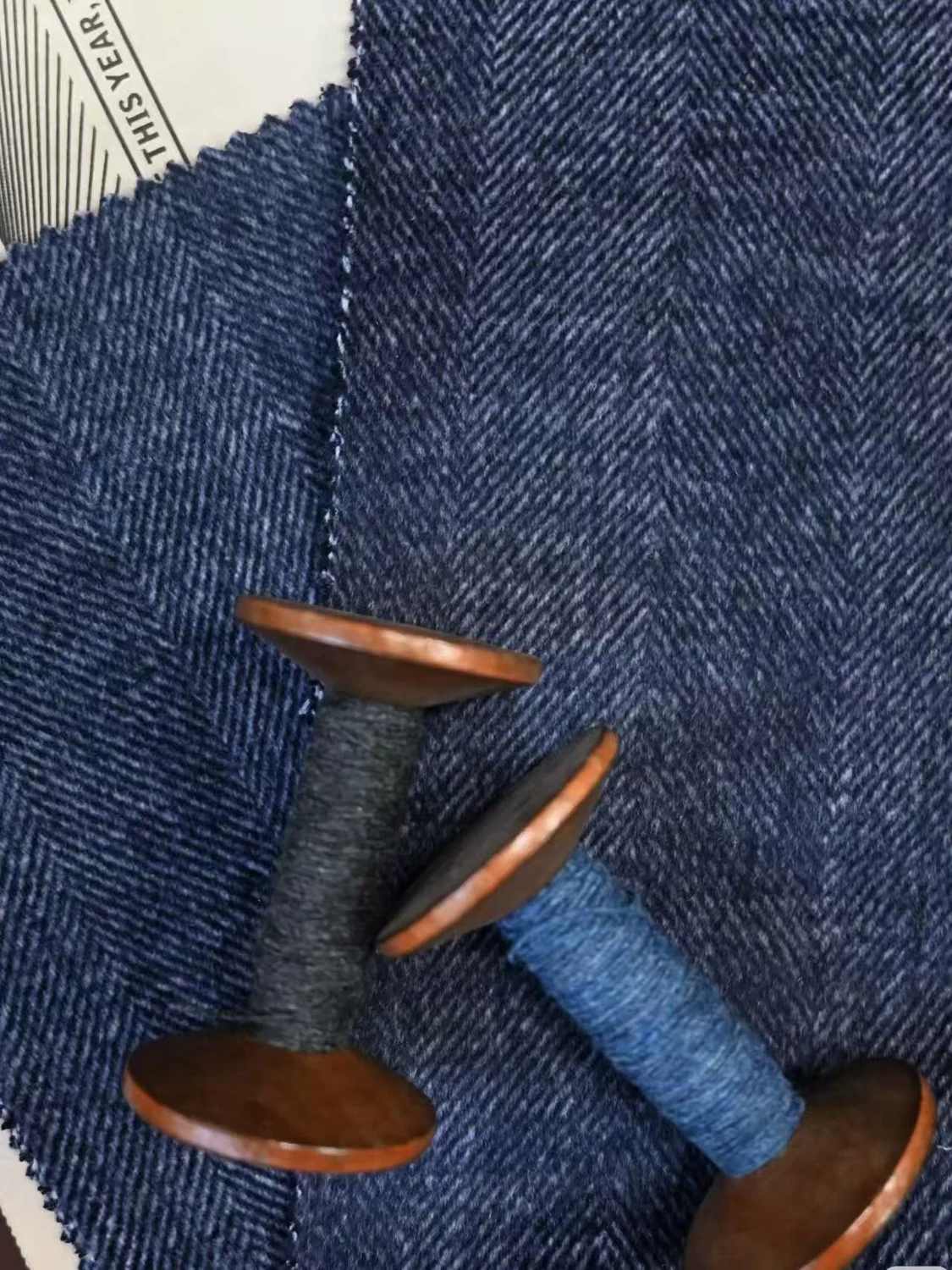 Flannel
3. Define the physical checks
Ask for a useful swatch size, compare surface and colour, and trial seams, pressing and lining where relevant. Record what remains unknown rather than guessing.
4. Prepare one clear enquiry
Keep your visual references and target specifications separate. Ask Fred to identify suitable articles and confirm sample availability, MOQ and the next development step.
Use the printable sample worksheetFrom direction to development
Take the next step with samples
A photograph starts the conversation. Physical samples help you make the decision.
Start with the fabric terms
What are woolen fabrics? · Woolen vs worsted: compare the decision