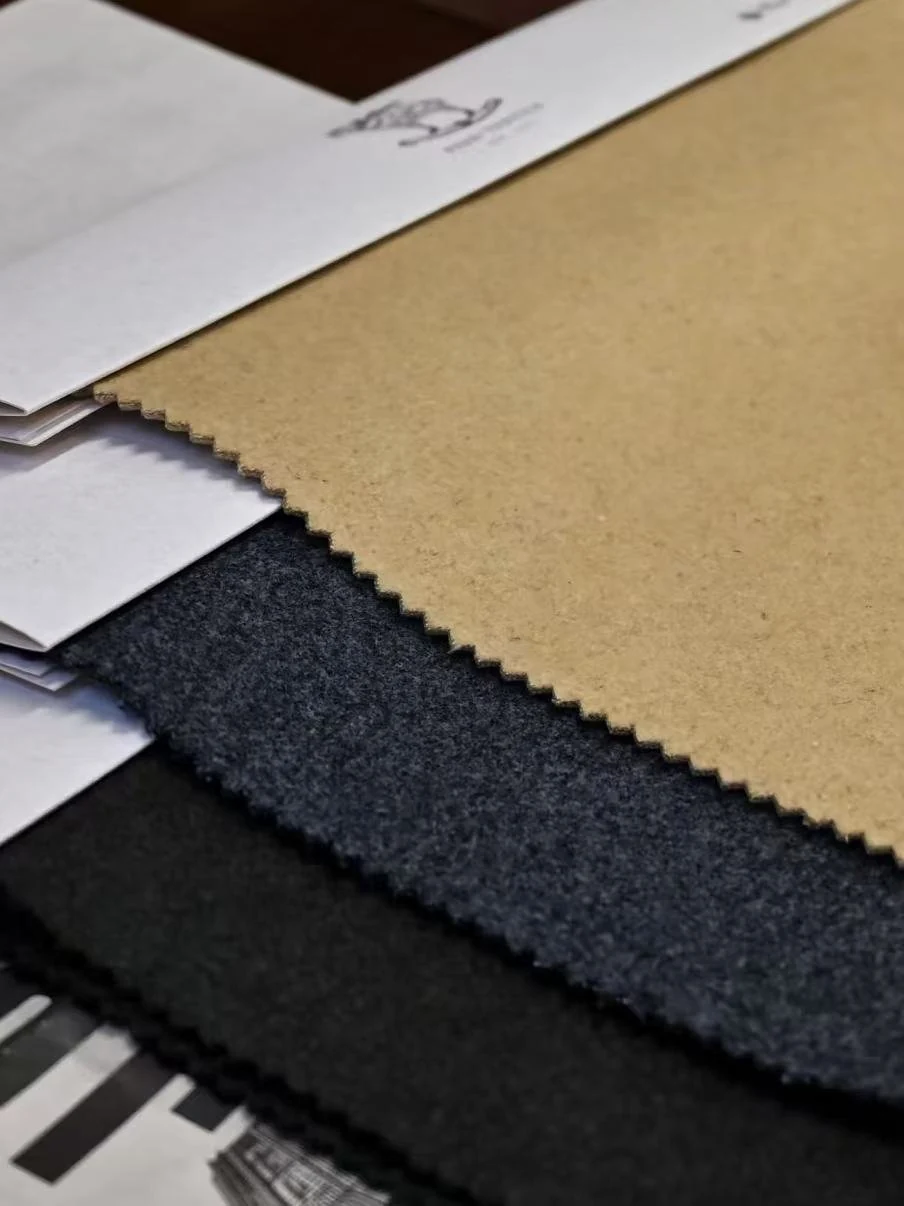
 Melton
By garment / Coats
Build your coat brief around silhouette and surface.
Compare a compact-looking Melton direction, a visible check and a looped surface against the same coat idea. The final weight and construction need article-level confirmation.
Start with your garment brief
Cut / silhouetteSeason / useSurface / patternLining / constructionCare / testing
References to discuss
Melton
 Tweed
Tweed
Fabric direction
Classic Check Tweed
A visible check and mixed colour texture for a patterned garment direction.
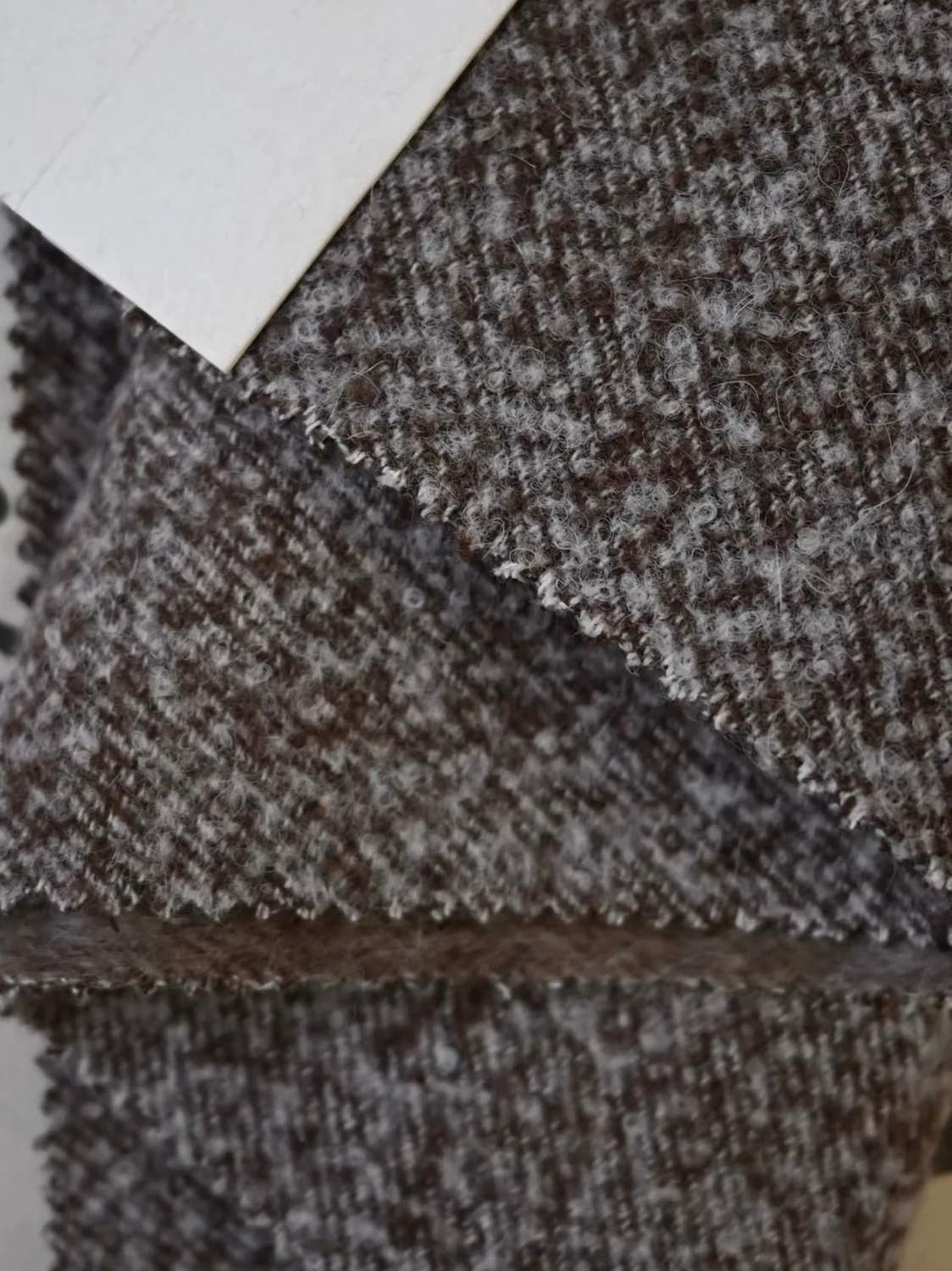 Bouclé
Fabric direction
Bouclé Surface
A looped-looking surface that gives the garment a more visible texture.
Plan checks around real garment areas
Collar & lapel
Compare folds, bulk and the intended structure.
Body & lining
Review movement and the relationship with the lining or internal structure.
Seams & hems
Try representative seams and hems using the intended process.
Appearance & care
State the finish, care route and tests required before approval.
Related wool fabric questions
Wool Coat Lining and Interlining: Choose Compatible Layers
Choose lining and interlining for a wool coat by checking drape, seam bulk, movement and care together. Use a layer trial and a clear sample brief.
From direction to development
Prepare your coat development brief
Include the silhouette, sample purpose and the specifications you still need to confirm.
Keep the development record comparable
Identify the physical reference and proposed article, then record the garment construction used for each trial. Compare sample dimensions, orientation, lining and process on the same basis. A result from a different article or finishing revision should remain clearly separate.
Use the cloth and garment checks to decide which candidate deserves another trial. State what changed, what improved and what still needs evidence. The purpose is to refine a sample discussion, not to claim that a garment-use tag proves performance.
Questions to resolve before approval
Are the weight units comparable? · Which construction areas need a trial? · What care route is required?