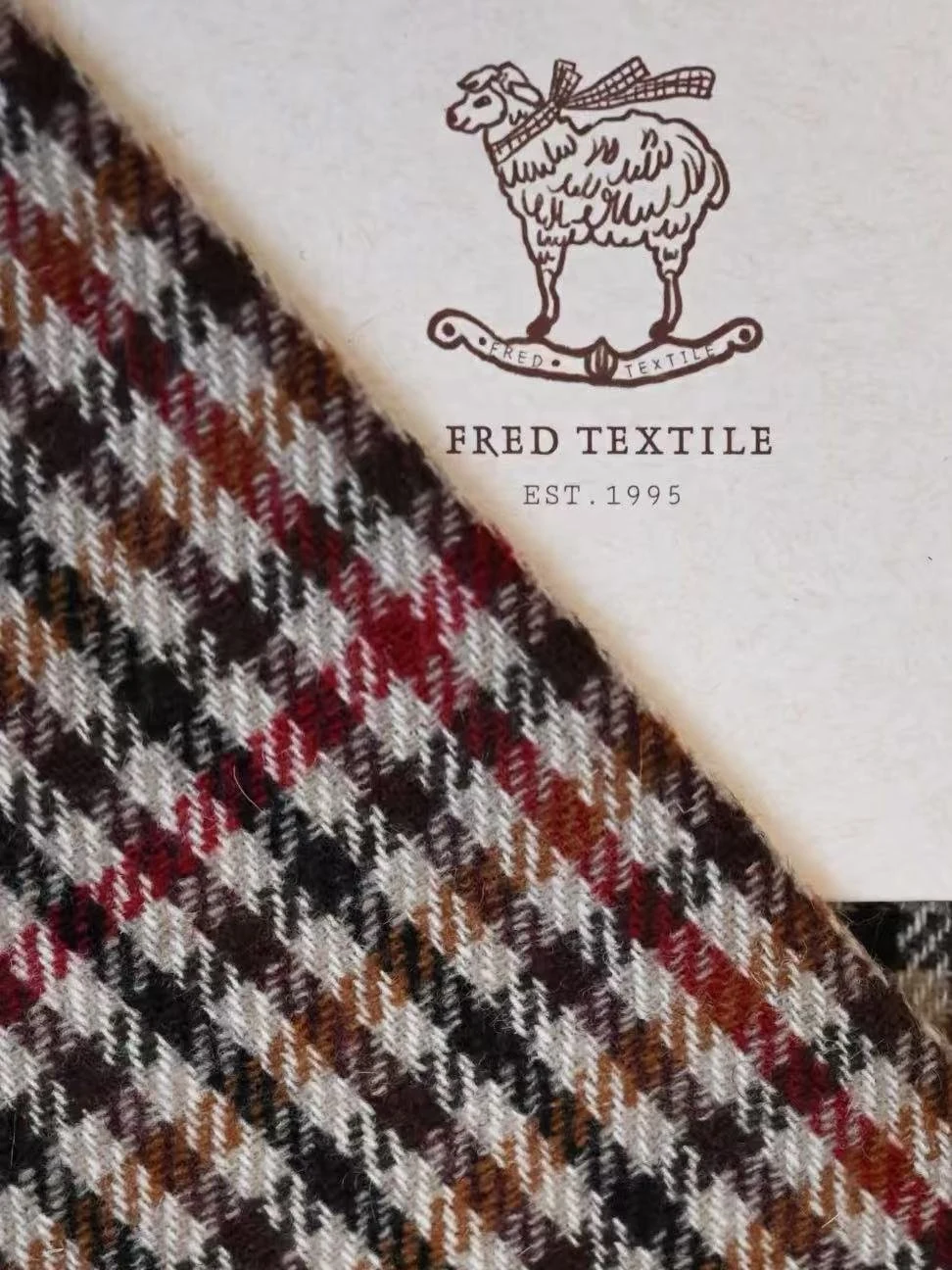
 Tweed
Tweed
Fabric direction
Classic Check Tweed
A visible check and mixed colour texture for a patterned garment direction.
By garment
Consider movement, panel construction and the intended care route before choosing the cloth. A skirt brief should identify the cut and the surface effect, not just request “wool fabric”.
Record the cut, season or use, intended lining, surface and sample purpose. A photograph helps identify the visual starting point; the actual proposed article must be reviewed against the design. If your composition or care requirements are firm, list them separately from flexible appearance preferences.
Tweed
Fabric direction
A visible check and mixed colour texture for a patterned garment direction.
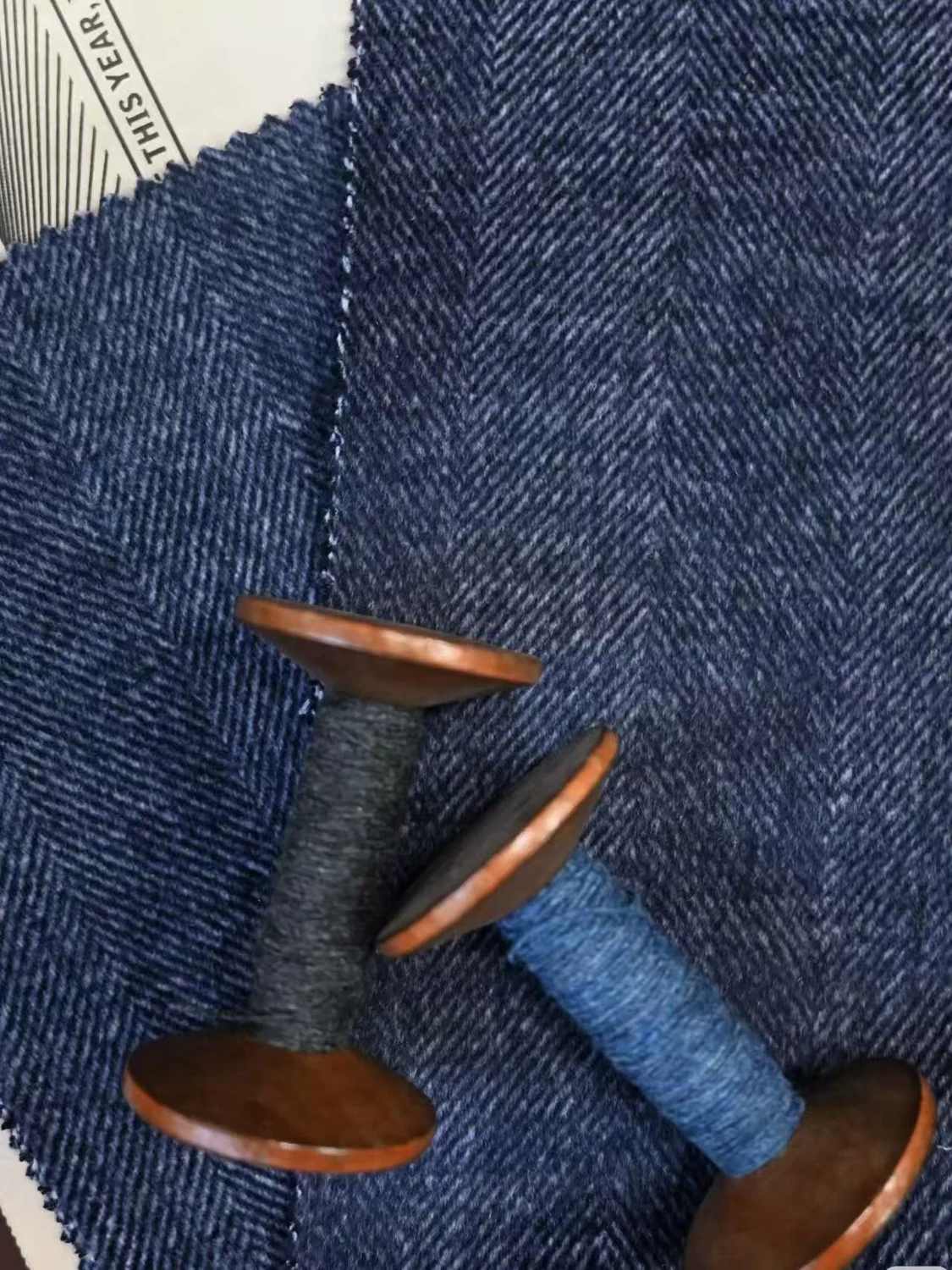 Flannel
A shaped, pleated or relaxed skirt asks different questions. Describe the silhouette and how the cloth should move with the wearer.
Trial reinforcement, seam bulk and the relationship with lining or facing using the actual proposed article.
Review hem finish, any intended crease or pleat and the planned process. Do not assume a family name guarantees a pressing result.
Ask Fred to identify suitable current articles, then confirm composition, finished GSM, usable width and finishing information. Use the actual pattern and making process to decide how much sample material is needed. A generic metres-per-garment estimate or surface label cannot replace that basis.
Keep each trial linked to the article and specification revision. Record the result you observed, the change you want and any test or documentation requirement still open. If a second article is proposed, compare it with the same garment area and construction so the decision remains useful.
| Input | What to include |
|---|---|
| Garment | Cut, layering, season and intended use |
| Material | Selected direction IDs and any known article |
| Making | Lining, edges, pockets, seams and matching |
| Requirements | Composition, care, tests and open specifications |
| Next stage | Swatches, larger cutting or prototype metreage |
From direction to development
A photograph starts the conversation. Physical samples help you make the decision.