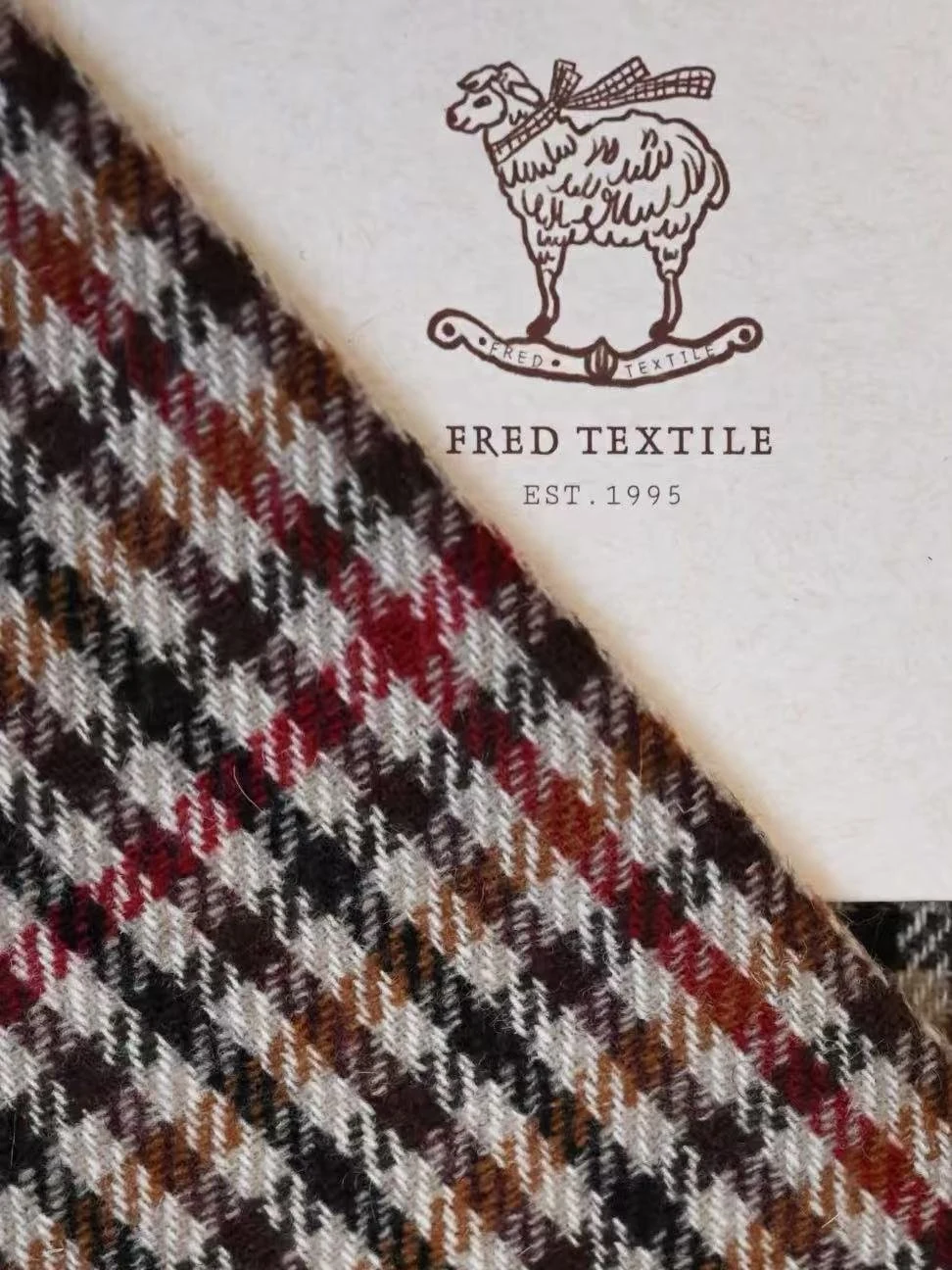
 Tweed
Tweed
Fabric direction
Classic Check Tweed
A visible check and mixed colour texture for a patterned garment direction.
By garment
Build the selection around the front structure, back material and layering intention. Keep visible texture and the making requirements in the same brief.
Record the cut, season or use, intended lining, surface and sample purpose. A photograph helps identify the visual starting point; the actual proposed article must be reviewed against the design. If your composition or care requirements are firm, list them separately from flexible appearance preferences.
Tweed
Fabric direction
A visible check and mixed colour texture for a patterned garment direction.
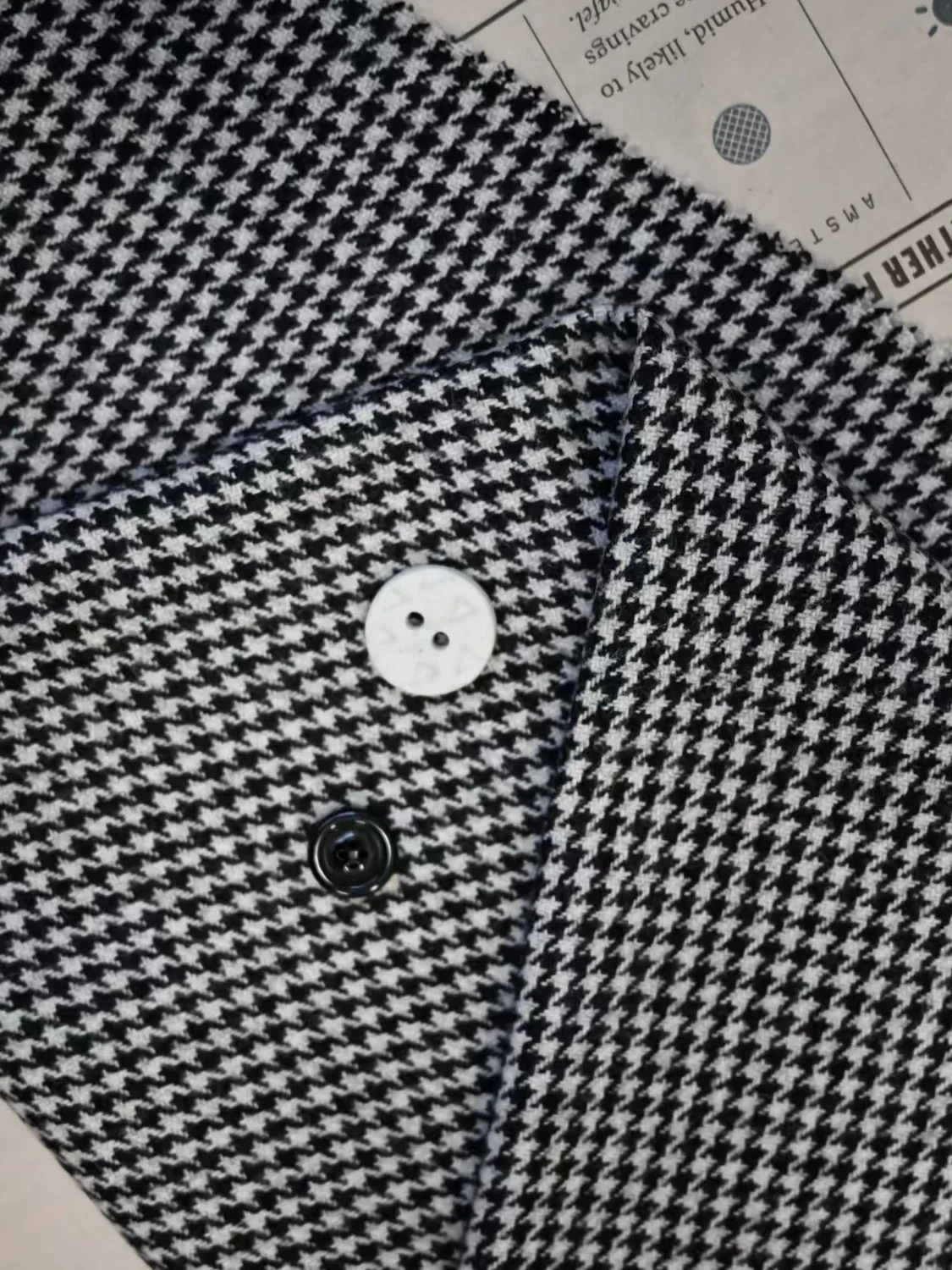 Wool blends
Fabric direction
A contrasting small-pattern direction from Fred’s blended weave collection.
Compare the proposed cloth with the planned structure, facing and neckline shape.
Use a trial to review pocket edges, buttonholes, trims and pattern matching where required.
State what the waistcoat will be worn over and how the back and lining will be constructed.
Ask Fred to identify suitable current articles, then confirm composition, finished GSM, usable width and finishing information. Use the actual pattern and making process to decide how much sample material is needed. A generic metres-per-garment estimate or surface label cannot replace that basis.
Keep each trial linked to the article and specification revision. Record the result you observed, the change you want and any test or documentation requirement still open. If a second article is proposed, compare it with the same garment area and construction so the decision remains useful.
| Input | What to include |
|---|---|
| Garment | Cut, layering, season and intended use |
| Material | Selected direction IDs and any known article |
| Making | Lining, edges, pockets, seams and matching |
| Requirements | Composition, care, tests and open specifications |
| Next stage | Swatches, larger cutting or prototype metreage |
From direction to development
A photograph starts the conversation. Physical samples help you make the decision.