Buyer questions / Surface & pattern
Woolen Fabric Nap Direction Before Cutting
When the surface appears different as the cloth turns, add direction to your sample and cutting brief. Keep visual checks separate from an assumed finishing process.
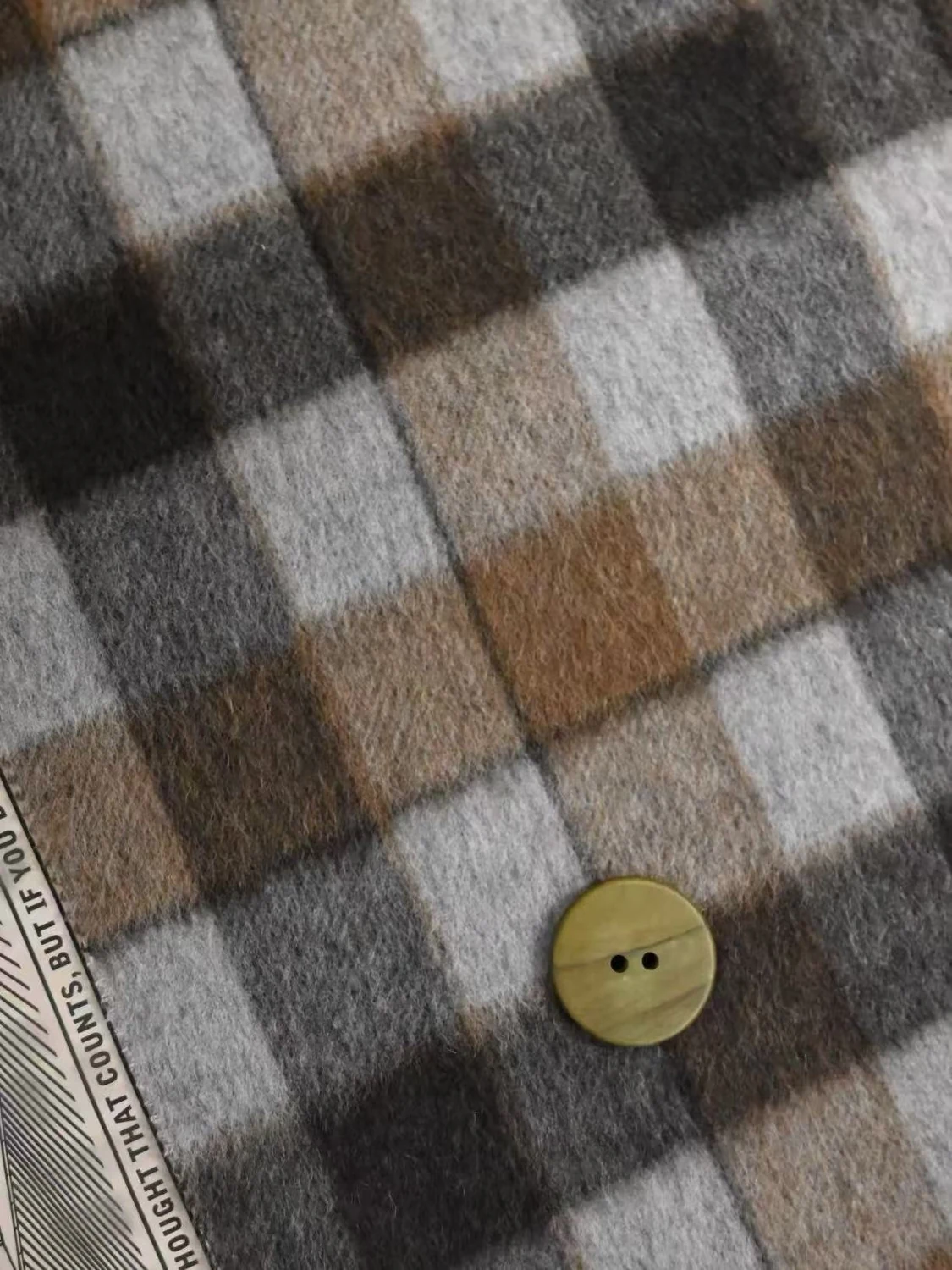
Check whether direction changes the appearance
Place a physical cutting in consistent light, then rotate it and compare the surface appearance. Record which orientation you are viewing and whether the colour or texture appears different. The observation tells you what to investigate; it does not identify a finishing treatment with certainty.
Use the same light and viewing angle for all shortlisted references. A camera’s exposure and white balance can also change an image, so screen photographs should support, rather than replace, a physical direction check. Keep a labelled face and length direction on the cutting.
Agree the garment’s orientation
If one direction is required, discuss how the marker will place sleeves, body panels, collars and small parts. A one-way layout can differ from a layout that allows pieces to reverse. Let the garment maker estimate the effect using the actual pattern and confirmed usable width.
Check adjacent panels and paired components together. The selected direction should be written into the approved making record, not left as a verbal assumption. If colour approvals are compared, include the same orientation and viewing conditions.
Ask for the information that is still missing
Ask Fred to confirm the relevant face, any directional surface instructions and the intended finishing route for the proposed article. If you need a larger cutting to see the effect, state the sample purpose. Do not label every woolen reference as brushed or napped just because its family name suggests a surface.
Review a garment trial before approving cutting instructions for bulk. Keep the proposed article, finishing revision and observation record together. If the direction creates an unwanted contrast, discuss another surface route or construction rather than relying on a generic correction.
A practical record for your sample discussion
| Decision | Record | Question for Fred |
|---|---|---|
| Surface | View the same cutting both ways | Is there a visible directional effect? |
| Approval | Label face and length direction | Which orientation is intended? |
| Marker | Use the actual pattern and width | Is one-way cutting required? |
| Trial | Review adjacent garment panels | Does the result meet the design? |
Questions buyers ask
Can I assume all woolen cloth has nap?
No. Check the actual surface and the article’s finishing information.
Does nap direction change consumption?
It can affect permitted piece orientation. The marker determines the project’s actual consumption.
Can I compare shades with pieces turned differently?
Use consistent direction and agreed viewing conditions before judging a difference.
From direction to development
Turn this question into a sample brief
Keep the reference, target and open questions together before contacting Fred.