 Coating
Fabric direction
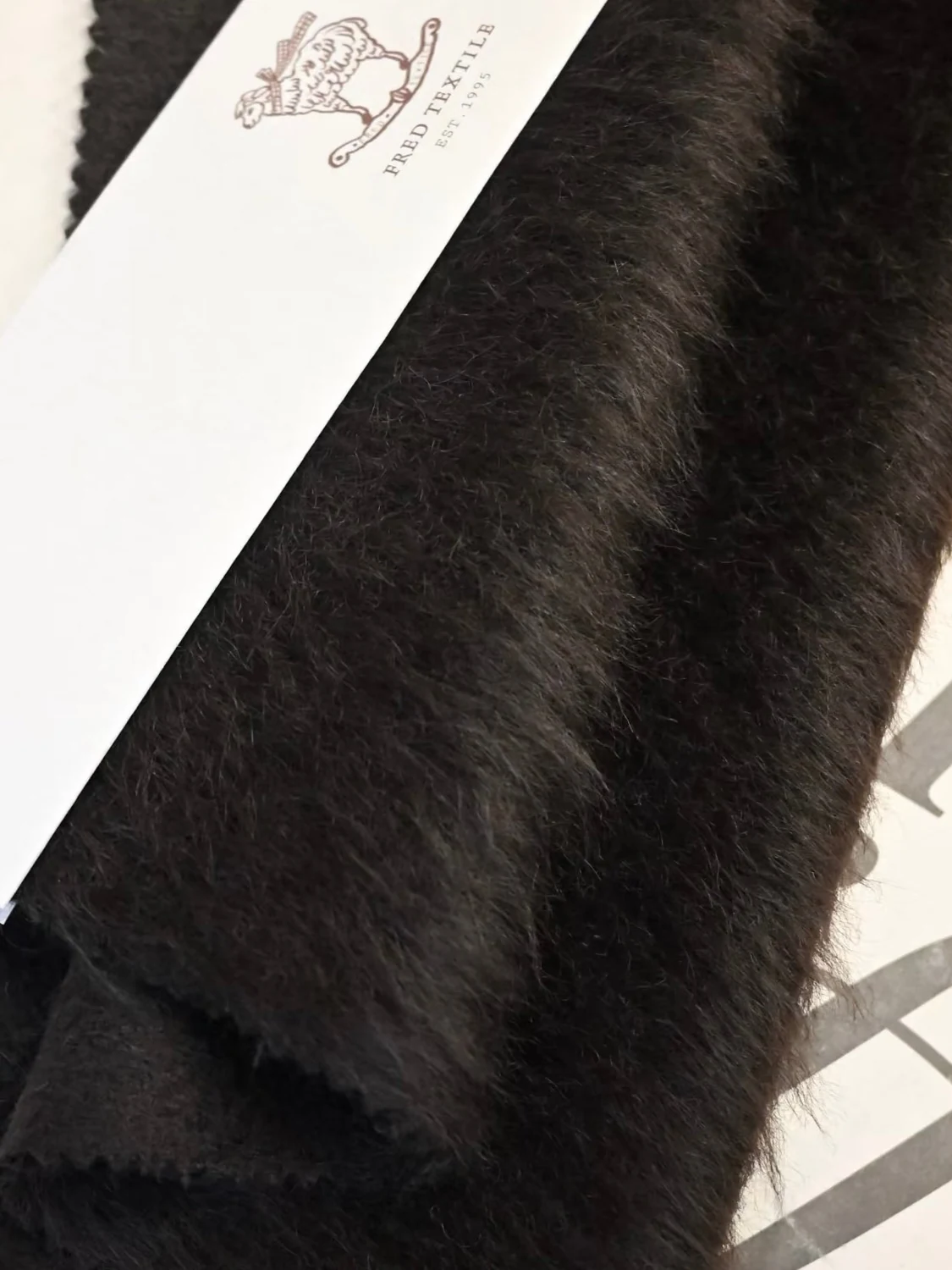
Hairy Surface Wool Direction
Hairy-looking surface from Fred’s special program. Confirm the actual finishing route and article.
Fabric directions
A visible hairy surface can be a design starting point for a coat or jacket. Confirm the finishing process rather than assigning “brushed” from appearance alone.
Coating
Fabric direction
Hairy-looking surface from Fred’s special program. Confirm the actual finishing route and article.
Describe how visible you want the surface to be and which physical reference should guide the discussion.
Compare orientation, seams, trims and garment panels with the same sample. Record any directional appearance effect.
State care, pilling, abrasion or other requirements from the buyer. No performance result is inferred from the surface photograph.
Use this reference to identify the visual or development direction you want to explore. Ask Fred to propose suitable current articles and provide the information needed for your garment brief. Keep the website direction ID separate from the factory article code.
The photograph does not establish current inventory, a composition percentage, finished GSM, usable width or a certification result. Record these as open questions until the proposed article is documented. If the article or finish changes, review the relevant sample and making checks again.
Include the garment, silhouette, lining or unlined intent, desired surface and sample purpose. State the amount needed for a construction trial if your garment maker has already estimated it. Ask Fred to confirm sample availability, charges, shipping and the next approval stage.
Compare this direction with another reference from the library using the same garment question. A shortlist should help explain the decision you need to make, rather than imply that a photograph has already proved the fabric suitable.
From direction to development
A photograph starts the conversation. Physical samples help you make the decision.